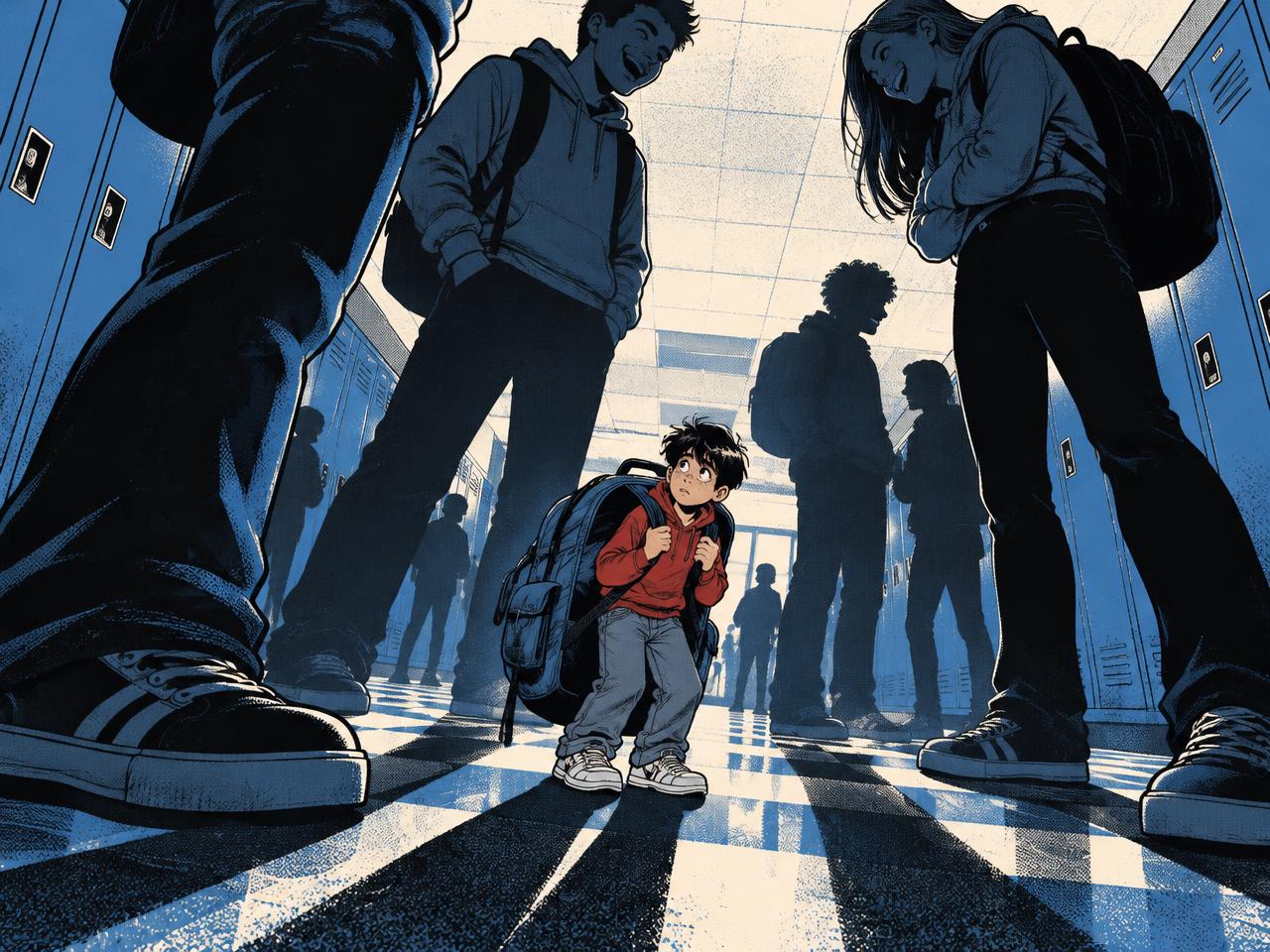
Every parent in Staten Island wants the same thing: a child who can walk into school, the park or the bus stop and come home safe. The question is how you actually build that.
Master Tom Curry has a different vantage point than most instructors. He spent 20 years with the NYPD in anti-crime and narcotics. He has seen how real confrontations start, how they escalate, and who gets picked as a target.
That experience shapes everything about how kids train at our school. Here is what comes first, and why.
Lesson 1: Awareness beats technique
Bullies and predators pick targets. They look for the child with their head down, earbuds in, shoulders slumped. Children who stand tall and make eye contact get skipped.
So before we teach a single strike, we teach kids to notice. Who is around them. Where the exits are. Which adult they would go to.
- Head up, phone down when walking
- Know two safe adults in every place you go
- Trust the uneasy feeling and move away early
- Walk with friends whenever possible
Lesson 2: The voice is a weapon
A loud, clear "STOP! BACK OFF!" draws attention, and attention is the last thing a bully or stranger wants. Shy kids practice this in class until it comes out naturally.
Parents are often surprised how much this one drill changes a quiet child. Using a strong voice on the mat carries over to raising a hand in class and speaking up with friends.
Lesson 3: Escape, not win
Kids do not train to beat anyone up. They train to break a grab, create space and get to a safe adult. That is what works in real life, and it is what keeps kids out of trouble at school.
Our jujutsu roots matter here. Sanuces Ryu Jujutsu is built on leverage, which means a small child can learn to escape a bigger person's grip.
What escape skills look like by age
- Younger kids: wrist-grab escapes, yelling, running to a safe adult
- Older kids: breaking bear hugs, getting up safely from the ground
- Teens: handling shoving, staying calm when someone is in their face
Lesson 4: Confidence prevents most fights
The biggest benefit is the one you cannot see in a drill. A child who knows they can protect themselves stops acting like a target. They carry themselves differently, and most trouble simply never starts.
That is why our kids martial arts classes put just as much weight on confidence, respect and focus as on technique.
Questions parents ask
Will martial arts make my child aggressive?
No. The opposite is what we see. Kids learn control and learn that fighting is the last option. Discipline is part of every class.
What age should my child start self-defense?
Five is a great time to start. Younger children learn awareness and their strong voice; older kids add real escapes.
Is my child too shy for martial arts?
Shy kids are often the ones who change the most. Instructors meet them where they are.
Try a class
See it for yourself. Read what Staten Island families say, then book an intro class and watch how your child carries themselves after a couple of weeks.
New Student Experience
Ready to See It In Person?
2 Weeks of Classes — $35
Keep Reading
Martial Arts
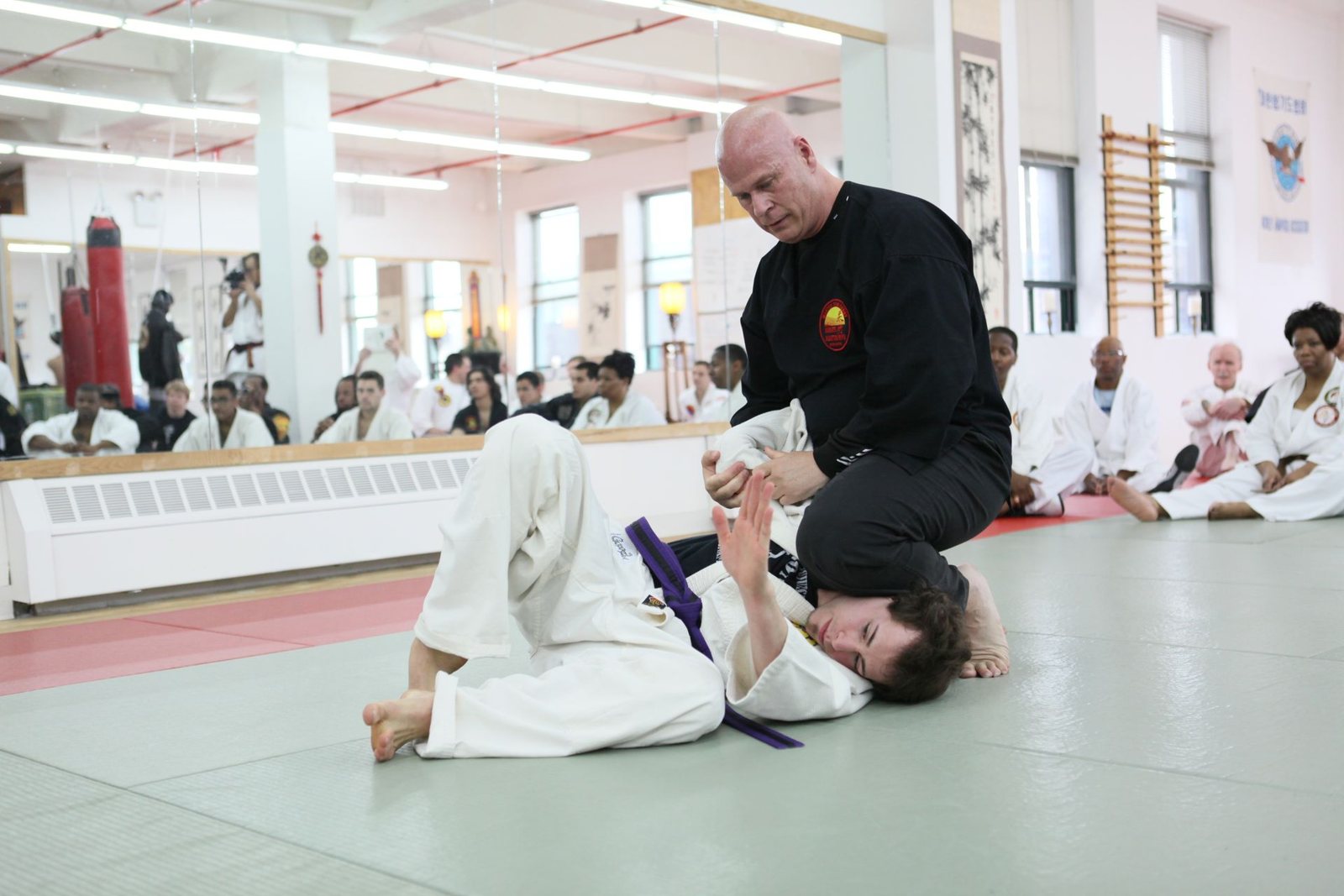
What Is Sanuces Ryu Jujutsu? The Art Behind Our School, Explained
Health & Fitness
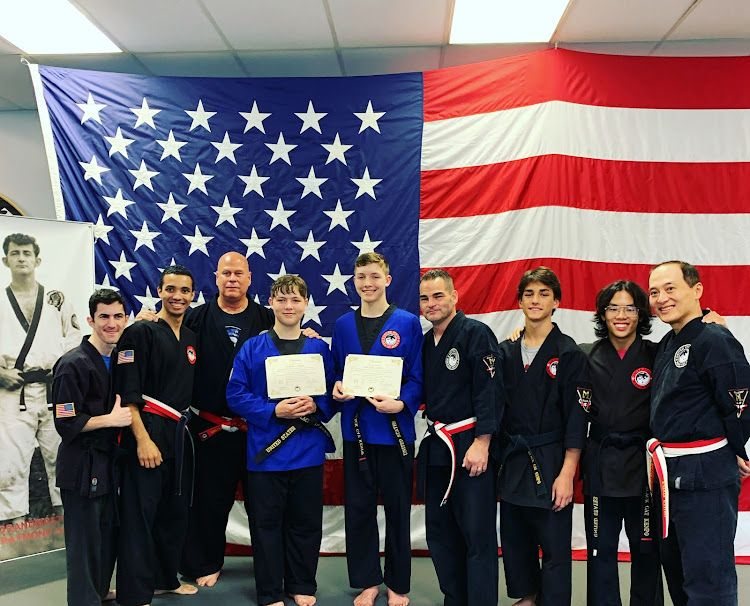
Adult Martial Arts for Beginners in Staten Island: Starting at 30, 40, 50 or Beyond
Child Development
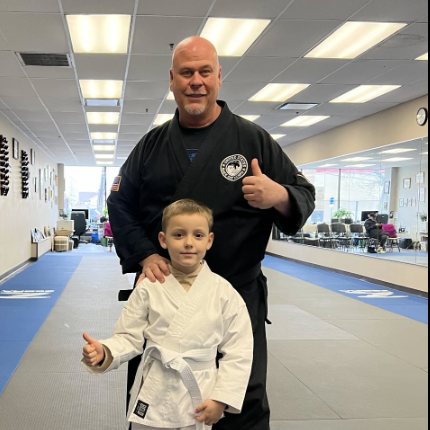
How Martial Arts Builds Focus and Respect in Staten Island Kids
Family